
Marketing departments are well placed to drive the new economy, Professor of Marketing and Strategy at IMD, Frédéric Dalsace, has said during a webinar given live on Friday 21st August at 11am CEST.
The paradigmatic shift underway is so immense that Dalsace describes it as an entire economic overhaul “from the cowboy economy to the spaceship economy.” Otherwise put, the world has gone from basking in infinite resources to needing to exercise tight control over them.
“We need to contribute to society because there are huge challenges ahead of us,” he said.
“The availability of resources is going down and the population is going up. The most pessimistic estimation suggests there will be 16 billion people on the planet by 2500. Couple this with increased life expectancy of 20 years.”
COVID-19 has been a wake-up call; consumers, firms and international institutions need to deploy a more efficient and equitable use of the world’s resources, and we need marketing departments to spearhead efforts in this direction.
Why marketing?
To answer this question, first ask, what’s the role of a firm? Firms are becoming powerful and with power comes responsibility, argues Dalsace. Within them, “marketing has what it takes to become the mother of sustainability,” he claims.
“Marketing has a special responsibility. Its role is to scan the environment and the new reality for firms is that we need to make an efficient and equitable use of resources.”
Dalsace describes how marketing can help nudge us in the right direction and provides examples of firms that have taken this on board to positive effect.
Marketing’s ability to drive change is tightly linked to the fact that changing consumers’ attitudes and behaviors is a fundamental part of the task ahead.
Marketing is all about the power of persuasion says Dalsace, referencing a study on changing hotel guests’ attitudes towards asking for their towels to be washed daily, versus being more mindful about water usage.
It turns out that the mere addition of the sentence “75% of the people in this hotel are reusing their towels” to the existing sign placed in the bathroom saw an increase in more environmentally friendly towel etiquette by more than 25%.
He then details seven tasks that marketeers should come to grips with to help us make a more efficient and equitable use of resources.
Like Sisyphus at the foot of the mountain, assessing his burden, let’s tap into a sense of a higher fidelity, Dalsace suggests; as the French philosopher Albert Camus suggested, we might even fill our hearts with the struggle itself.



Learn why developing leadership talent starts with attitude, resilience and curiosity, not technical skills alone, and how leaders build stronger teams.
Many organizations think they have created an ecosystem, but fall well short. Answer the questions below to check whether your “ecosystem” is sustainable in the long term.
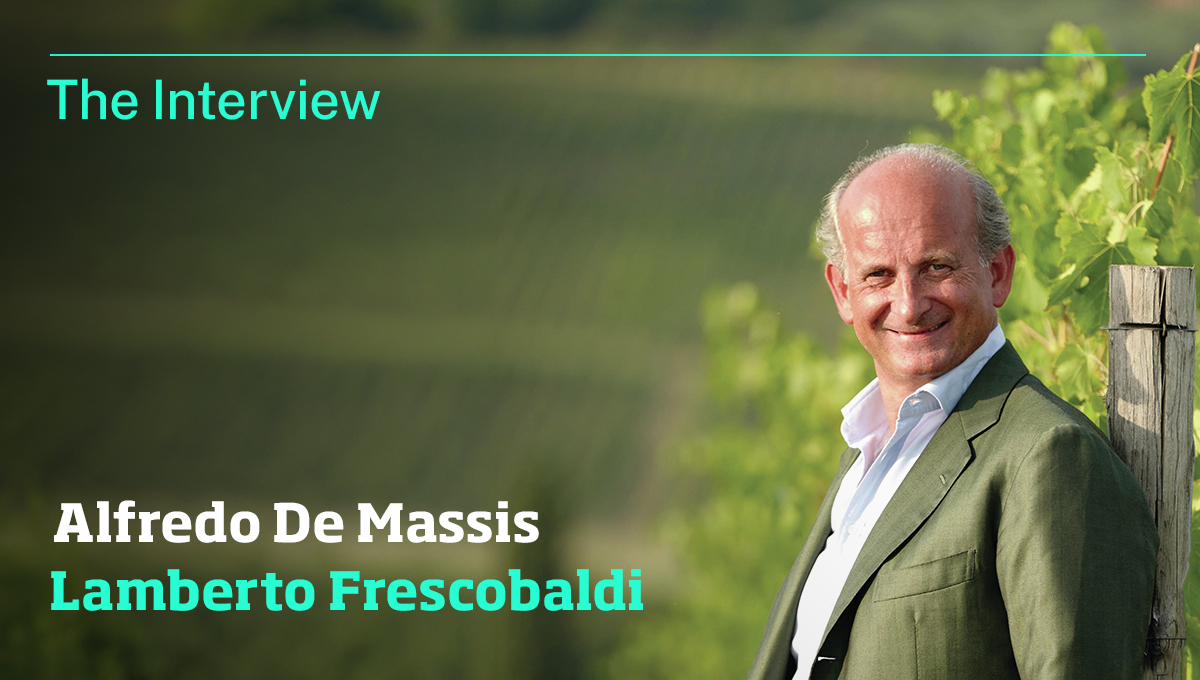
The Frescobaldi family demonstrates how stewardship, reinvention, succession planning, and strategic agility drive long-term family business success.

Explore why AI leadership must shift from expertise to enablement, helping leaders empower people, think outside-in, and create conditions for innovation.
Research Information & Knowledge Hub for additional information on IMD publications
Research Information & Knowledge Hub for additional information on IMD publications
Research Information & Knowledge Hub for additional information on IMD publications
Research Information & Knowledge Hub for additional information on IMD publications
Research Information & Knowledge Hub for additional information on IMD publications
Research Information & Knowledge Hub for additional information on IMD publications
Research Information & Knowledge Hub for additional information on IMD publications
Research Information & Knowledge Hub for additional information on IMD publications
Research Information & Knowledge Hub for additional information on IMD publications
Research Information & Knowledge Hub for additional information on IMD publications